Richmond History No 28 (2007)
The
Journal of Richmond Local History Society
This year the society’s journal has turned detective, with its
contributors pursuing answers to a number of historical mysteries.
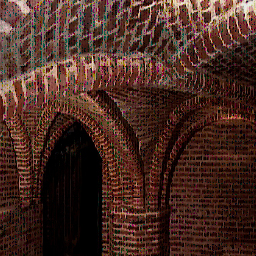
1. Who built these
magnificent Tudor cellars?
The undercroft of Kew Palace, shown here in a photo by David Allen
(© Historic Royal Palaces) is probably a century older than the
palace itself. In magisterial style John Cloake reviews the
extraordinary range of princes, dukes and power brokers who lived in
Kew in Tudor times, traces the sites of their houses, and speculates on
the most probable origin of the Tudor cellars.
2. Why do we not
still have a Richmond Royal Horse Show?
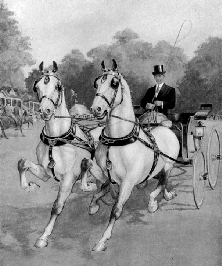
Richmond Horse Show began unexpectedly with a chance encounter at a
cricket match, flourished for 75 years and then equally unexpectedly
closed at a few weeks’ notice. Why? Had it lost favour? Not so.
It simply ran out of space. Val Roberts has taken a fresh look at the
paradox of the rise and fall of what was once the most glamorous of the
fashionable horse shows.
3. Who sank the Queen
Elizabeth
off Kew pier in 1904?
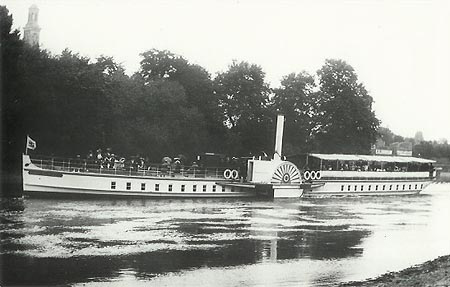
No, she was not the transatlantic liner, but the star paddle-steamer of
the Edwardian age, seen here in her pomp. She held 700 passengers and
two pianos. All passengers and – most importantly – the
pianos were salvaged when she unexpectedly sank off Kew Pier. Philip
Harper has unearthed the legal trail over what sank her and who was
responsible.
4. Who hosted the
royal family at a Working Men’s Club in Sandycombe Rd?
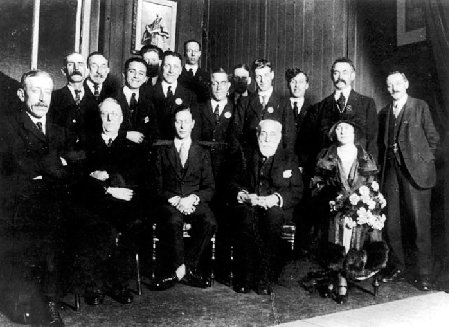
The future king and queen are easily identified in this rare picture.
Less well known now is their bearded host, Alderman Szlumper, an
engineer and major benefactor of Darell Road School. Roger Stearn
writes on the contribution of such civic leaders to our state schools
in the early 20th century.
5. What role did
Petersham’s All Saints church play in World War Two?
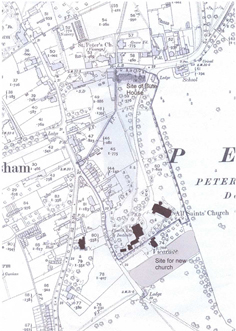
This map indicates the extent of the old Bute House estate, and site of
the unconsecrated All Saints, requisitioned by the Anti-Aircraft
Command in 1940. Michael Lee has researched the history of the church
and identified the scientists who worked there and the contribution
they made to the development of Radar and the defence of Britain.
6. What happened to
the almshouses below the Star and Garter?
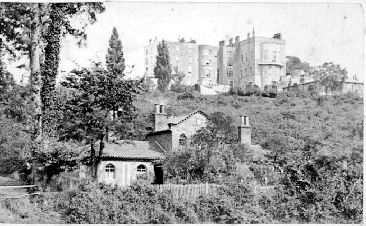
Dr Nigel Hepper has made a botanical survey of Petersham Common,
Richmond’s least visited stretch of woodland. In the journal we
include the historical research with which he underpinned his survey,
including the records of these ancient 18th-century almshouses,
demolished in 1953.
The journal also includes an article on its own history along with, for
the first time, reviews of two privately printed books, one on the
development of cottages in Ham and the other on social life in Richmond
between the wars.